



TL;DR:
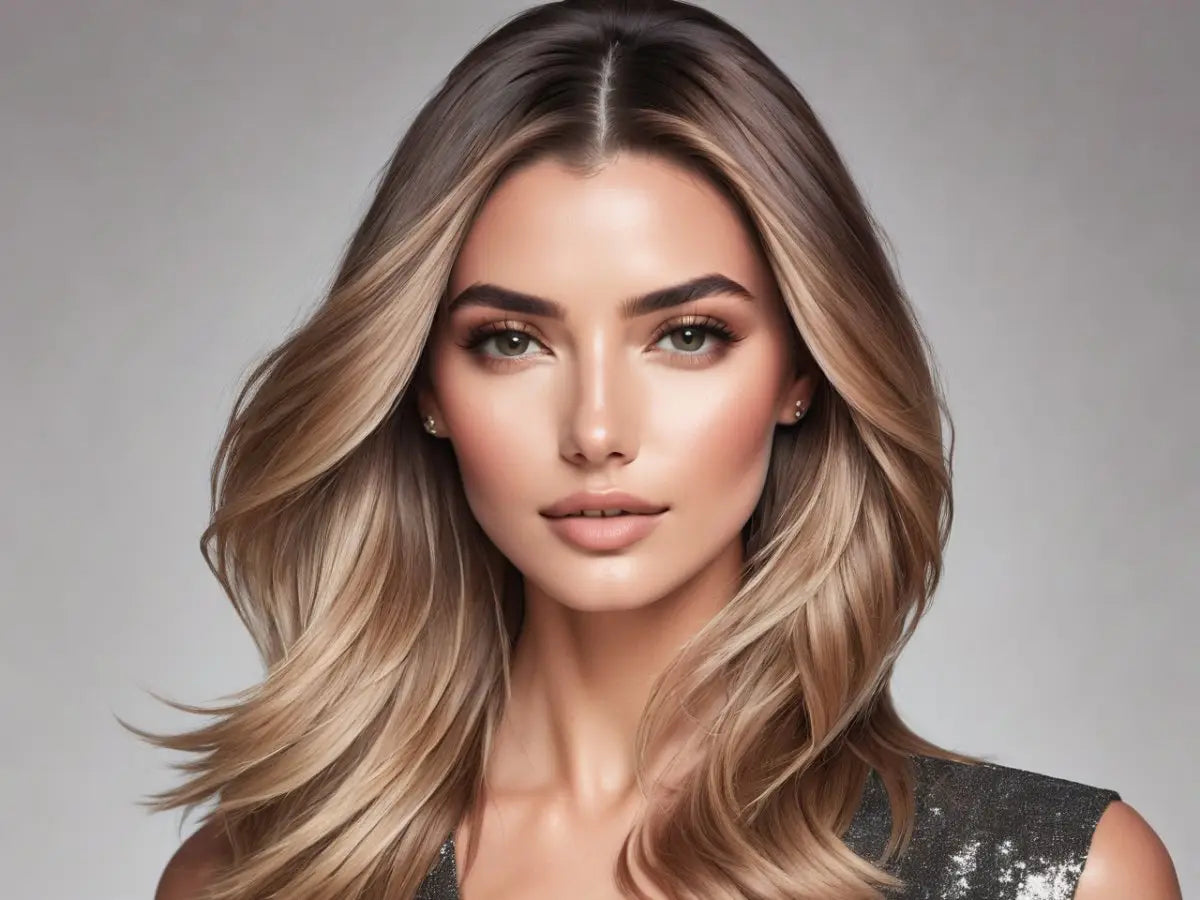
- Balayage is a freehand colouring technique that creates natural, graduated highlights — it mimics the way the sun lightens hair
- The key difference from foil highlights: no clear demarcation line, grows out gracefully, requires touch-ups every 8 to 16 weeks depending on hair growth and desired result
- Balayage suits almost all hair colours and types but works best with an experienced colourist who understands light placement for your face shape
- In Cape Town specifically, balayage is popular because sun exposure and outdoor lifestyles mean sun-kissed results look natural year-round
- Maintenance: sulphate-free shampoo, weekly mask, hair oil for shine, and colour-protecting leave-in are the non-negotiables
Balayage is one of the most requested colour techniques at Partners Hair across our Cape Town salons. It's been a dominant trend for years for a good reason: done well, it looks effortlessly natural and grows out gracefully. Done badly, it looks patchy and dated. Here's what our colourists want clients to understand before booking their first balayage appointment.
Meet the experts:
Royston and Warren at Cavendish Square — Judy, head trainer — Lewis, owner — Jackie at Gardens Centre — Debbie and Nikí at V&A Waterfront — Danny and Charlene at Canal Walk — Lynette, Samantha and Dominique at Constantia Village
01 — What Balayage Actually Is
Balayage (from the French for "to sweep" or "to paint") is a freehand highlighting technique where lightener is painted directly onto the hair surface rather than woven into foil sections. This freehand application is what creates the natural, graduated result — the colour is concentrated on the surface of each strand where sunlight would naturally hit, and lighter towards the ends where hair is naturally the most sun-exposed.
The absence of foils means no sharp demarcation between lightened and natural hair. The result is a seamless transition that grows out naturally rather than producing a visible regrowth line after eight weeks.
"Balayage is as much about light placement as it is about colour," says Judy, head trainer. "Where you put the lightener on the hair — the specific sections, the distance from the root, how densely you paint — determines whether the result looks natural and dimensional or flat and patchy. Freehand technique is where the skill shows."
02 — Balayage vs Ombre vs Foil Highlights
Balayage: freehand painted, no foils, natural graduation, soft transitions, grows out gracefully. Touch-ups every 8 to 16 weeks depending on the desired result. Ombre: a more defined gradient from darker roots to lighter ends, with a more visible transition. Less subtle than balayage, more of a deliberate colour statement. Foil highlights: lightener applied in uniform sections separated by foil. More uniform, more predictable results, visible regrowth line at 6 to 8 weeks.
"Balayage isn't always the right choice," says Warren at Cavendish. "For clients who want a very precise, consistent highlight result, foils give more control. Balayage gives a more natural-looking result with less maintenance — but 'less maintenance' still means touch-ups, it doesn't mean zero maintenance."
03 — Who Balayage Suits
Balayage can work on almost all hair colours — from light brunette and dark blonde to deep brown and black. The darker the starting colour, the more sessions may be needed to reach a noticeable result without compromising the hair's integrity. Very dark hair may need a combination of pre-lightening and balayage across two appointments.
Face shape and natural hair colour both influence where highlights should be placed. A skilled colourist maps the highlights around your features — which is why a reference image is useful but a direct client-colourist conversation is essential before starting.
04 — Cape Town and Balayage
Cape Town's outdoor lifestyle, UV exposure, and warm climate make balayage particularly suited to the city's aesthetic. Hair naturally lightens with sun exposure here — professionally applied balayage enhances and controls that process rather than fighting it. Many Partners Hair clients maintain a balayage result that reflects their lifestyle and climate naturally.
"What works in London or Stockholm doesn't always translate here," says Debbie at the Waterfront. "Cape Town's UV is strong and our outdoor life means sun exposure is consistent. A cool ash balayage that looks great in the UK can go brassy quickly here without the right maintenance routine. We factor climate and lifestyle into the colour choice, not just aesthetic preference."
05 — Maintenance: What You Actually Need
Sulphate-free shampoo is non-negotiable — sulphates accelerate colour fade significantly. A weekly mask or deep conditioner for moisture — lightening services dry the hair and need to be offset with regular nourishment. Heat protection before any styling. A UV-protective leave-in for South Africa's strong sun. A toning gloss or purple shampoo (for lighter balayage) to maintain cool tones as needed.
Touch-up frequency depends on your hair growth rate and how soft your desired grow-out looks. Many clients do balayage every 12 to 16 weeks. Those who want a more saturated result may come in every 8 to 10 weeks.
06 — Finding the Right Colourist
Ask to see examples of balayage work in the salon's portfolio. Look specifically for results on hair similar to yours in terms of base colour, length, and texture. Bring reference images to your consultation — and be specific about what you like in each image. A strong consultation before a balayage appointment is the difference between a result you love and one that doesn't land.
Frequently Asked Questions
How long does balayage last?
With the right maintenance routine (sulphate-free products, regular masks, heat protection), balayage can look great for 12 to 16 weeks before needing a touch-up. The softer the desired result, the longer between appointments.
Does balayage damage hair?
All lightening involves some structural change to the hair. Good colourists minimise this by assessing the hair's condition before starting, using appropriate developers and lightener concentrations, and recommending a maintenance routine including bond-building treatments. Damaged hair should be strengthened before undertaking a significant balayage service.
Is balayage suitable for dark hair?
Yes — though very dark hair may require multiple sessions to achieve a visible result without over-processing. A realistic consultation with your colourist about the timeline is important for setting expectations.
How do I maintain my balayage at home?
Sulphate-free shampoo, weekly deep conditioning or mask, UV-protective leave-in, heat protection before styling, and a purple or toning shampoo as needed to maintain cool tones. Partners Hair stocks professional options for all of these.
Where can I book a balayage in Cape Town?
Partners Hair offers balayage services across all eight Cape Town salon locations. Book a consultation at your nearest salon to discuss your colour goals.
Book a balayage consultation at your nearest Partners Hair salon, or shop our colour-treated hair care range online. Free delivery on orders over R390.
Share:
Partners Hair: Cavendish Square’s Avant-Garde Curly Hair Care Hub
How to Build a Professional Hair Care Routine: The 5-Step Framework