



Reviewed by Trisha Rinquest, Men's Grooming & Scalp Care Specialist, Partners Men Tyger Valley · October 2026
Every good hair day starts somewhere you can't see — at the scalp. It's skin, it behaves like skin, and when it's out of balance the effects show up along every strand it grows: flaking, itching, greasy roots, limp lengths, even shedding. After four decades behind the chair across our 24 Cape Town salons, our stylists will tell you the same thing — clients who sort out their scalp stop fighting their hair.
This guide explains how to identify which scalp concern you actually have, what causes it, and how to treat it with professional products available in South Africa.
Why scalp health comes first
Your scalp is where every hair follicle lives. It produces sebum (natural oil), renews its skin cells roughly monthly, and hosts a microbiome of its own. When that system is balanced, hair grows from a clean, calm foundation. When it isn't — too much oil, too little moisture, irritation, or product residue — you get symptoms that no amount of styling can hide.
The catch is that different scalp problems produce similar-looking symptoms. Flakes can mean dandruff or a dry scalp — two different conditions with opposite treatments. Itching can come from oil, dryness, sensitivity or build-up. Getting the diagnosis right matters more than the product you buy, which is why we start with triage.
Which scalp concern do you have?
Run through these quick checks before you buy anything:
- Roots look greasy within a day of washing; flakes are yellowish and stick to the scalp — oily scalp, possibly with oil-related dandruff.
- Scalp feels tight, flakes are small, white and powdery, and skin elsewhere is dry too — dry scalp. Our stylists cover the distinction in detail in dry scalp vs dry hair.
- Persistent flaking regardless of washing, often with itch — dandruff proper, which is a microbiome imbalance rather than simple dryness.
- Itching, burning or discomfort with little visible flaking — sensitive or reactive scalp.
- Hair feels coated, roots go flat quickly, flakes look waxy — product or mineral build-up.
- More hair in the plughole than usual — that's a different conversation; start with our complete guide to hair loss in South Africa.
Oily scalp
An oily scalp is overactive sebum production — driven by genetics, hormones, over-washing with harsh formulas (which triggers rebound oil), or heavy products applied too close to the roots.
What works: a gentle but effective purifying shampoo used consistently, not an aggressive degreaser used occasionally. Kérastase's Specifique range is the benchmark — browse the dedicated Kérastase for Oily Scalp collection. For an affordable deep-cleansing option, muk Head Muk Oily Scalp Shampoo purifies without stripping. If your problem is oily roots with dry, thirsty ends — extremely common — we've written a dedicated guide: dry ends and oily roots: what should you use?

Dry scalp
A dry scalp lacks moisture, not oil. It feels tight after washing, flakes in fine white powder, and often worsens in Cape Town's winter months when indoor heating strips humidity. Hot showers and sulphate-heavy shampoos make it worse.
What works: lower water temperature, longer gaps between washes if you can, and hydrating, scalp-specific formulas — shop the Dry Scalp collection. A weekly nourishing treatment helps; so does resisting the urge to treat dry-scalp flakes with anti-dandruff actives they don't need. Read the full dry scalp guide.
Dandruff and flaking
True dandruff is linked to an overgrowth of Malassezia — a yeast that lives on every scalp — combined with excess oil and individual sensitivity. It doesn't disappear with moisturising alone; it needs targeted actives.
What works: Kérastase Symbiose is the premium standard, with formulas split by scalp type — Bain Crème for dry, sensitive scalps and Bain Pureté for oily ones, backed by the Micro-Peeling exfoliating treatment and an overnight scalp serum. At salon-professional but friendlier pricing, L'Oréal Scalp Advanced Anti-Dandruff Shampoo uses piroctone olamine to control flaking, also available as a shampoo-and-treatment bundle. Browse everything in our anti-dandruff shampoo collection, and for a deeper dive into how the actives compare, read our dandruff shampoo guide.

Itchy scalp
Itch is a symptom, not a condition — it rides along with dandruff, dryness, sensitivity and build-up alike. If the itch persists after you've addressed the likely cause, or comes with redness and irritation, treat the scalp as sensitive and simplify your routine.
What works: soothing, dermatologically minded formulas from the Itchy Scalp collection. Menthol and amino-acid based cleansers calm on contact; avoid piling on styling product until the scalp settles. More in our itchy scalp guide.
Sensitive scalp
Sensitive scalps react — to fragrance, to harsh surfactants, to colour services, to stress. Discomfort, tingling and tightness are the giveaways.
What works: fewer, gentler products. Shop the Sensitive Scalp collection, or go one step further with the fragrance-free range. Schwarzkopf's BC Scalp Genesis line includes a soothing formula built specifically for reactive scalps. Learning to read ingredient lists pays off most for this concern. See our full sensitive scalp guide.
Scalp build-up
Build-up is accumulated styling product, sebum and — very relevant in South Africa — mineral deposits from hard water. It suffocates roots, dulls lengths and can mimic dandruff. Gauteng and inland households are hit hardest, but municipal water hardness varies across the Cape too; our guide to the best hair products for SA's hard water covers the mineral side in full.
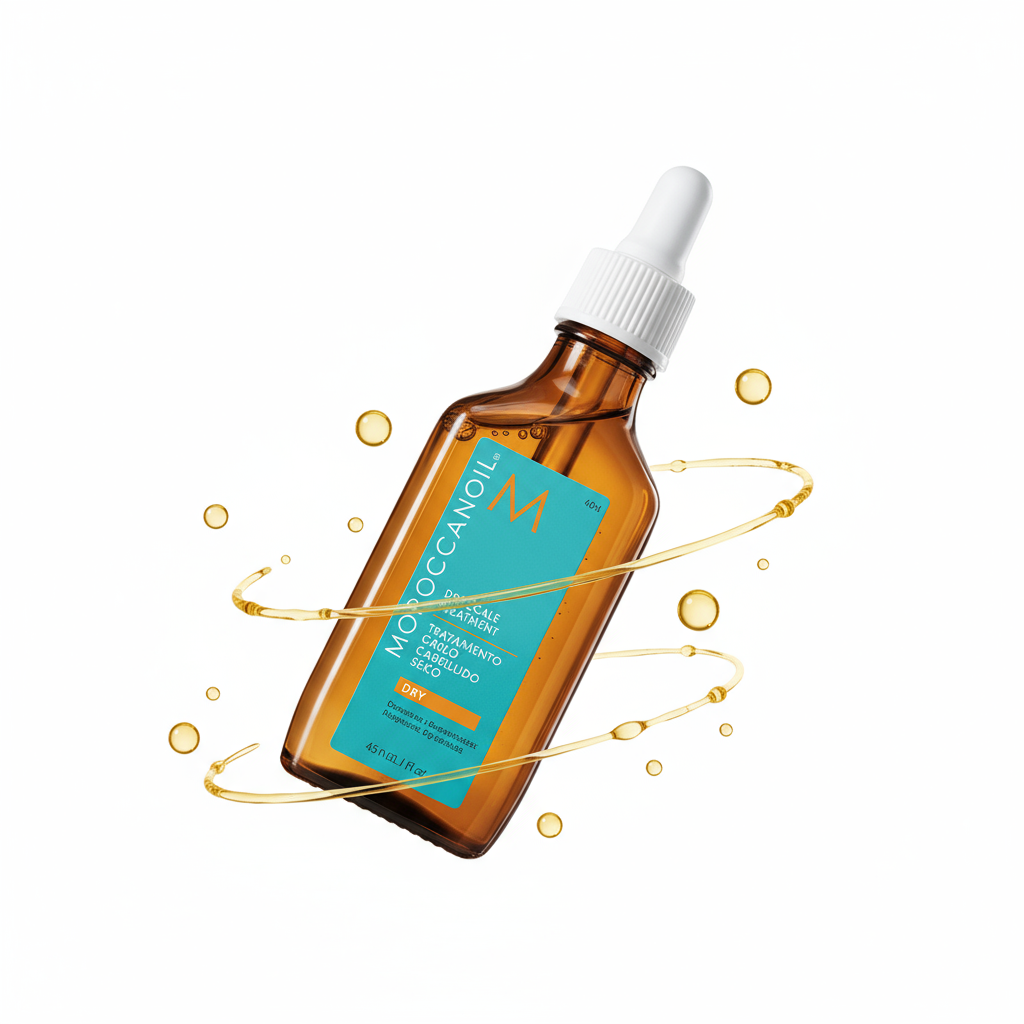
What works: a clarifying or detox wash once weekly, layered back to your regular routine — shop the Scalp Build-Up collection. Moroccanoil's balancing and clarifying line sits in its own Moroccanoil Scalp Care collection.

The four-step scalp routine our stylists recommend
1. Cleanse properly. Shampoo is for the scalp; conditioner is for the lengths. Massage cleanser into the scalp with fingertips — never nails — for a full minute before rinsing.
2. Exfoliate weekly. A scalp scrub or micro-peeling treatment lifts dead cells and residue that shampoo leaves behind. Once a week is plenty; more invites irritation.
3. Treat the concern. Serums and leave-in scalp treatments do the targeted work — a balancing serum like Kérastase Spécifique Potentialiste supports the scalp's microbiome daily.
4. Protect. UV exposure ages the scalp like any other skin — a real consideration under the South African sun. Hats on the beach, and lightweight protective sprays when you're outdoors for long stretches.
When to get professional help
If flaking is severe, the scalp is inflamed or broken, or shedding has noticeably increased, see a professional rather than rotating products. Any of our stylists will assess your scalp as part of a complimentary consultation — find your nearest Partners salon — and for medical concerns like suspected psoriasis (see scalp psoriasis and your hair), seborrhoeic dermatitis or unexplained hair loss, we'll refer you on; our guide on when to see a trichologist in South Africa explains what to expect.
Frequently asked questions
How do I know if I have dandruff or a dry scalp?
Look at the flakes. Dandruff flakes are larger, often yellowish and oily, and cling to the scalp and hair. Dry scalp flakes are small, white and powdery, and fall away easily. Dandruff needs anti-fungal actives; a dry scalp needs moisture and gentler washing.
How often should I wash an oily scalp?
Daily or every second day with a gentle purifying formula is better than stretching washes with harsh ones. Stripping the scalp triggers rebound oil production, which makes the problem worse within weeks.
Can scalp problems cause hair loss?
Chronic inflammation, severe build-up and untreated scalp conditions can all contribute to shedding and weaker growth. If you're seeing increased hair fall, start with our hair loss guide and consider a professional assessment.
Is scalp exfoliation safe for sensitive scalps?
Yes, if you choose an enzymatic or very fine chemical exfoliant rather than an abrasive scrub, and limit it to once weekly. Stop if you experience burning or prolonged redness.
Do I need different scalp care in winter?
Usually. Indoor heating and cold, dry air pull moisture from the scalp, so most people benefit from richer, more hydrating formulas between May and August — especially in the Cape.
Shop scalp care at Partners Hair
Every product in our Scalp Care collection is sourced directly from the brands as an authorised stockist — Kérastase, L'Oréal Professionnel, Nioxin, DS Laboratories, Moroccanoil and more. Free delivery on orders over R390, nationwide. And if you'd rather have a second opinion first, there's a stylist in one of our 24 salons who'll look at your scalp before you spend a rand.
Share:
Hair Loss & Hair Growth Guide: Why Hair Thins and What Actually Works in South Africa
Scalp Build-Up: How to Remove It and Stop It Coming Back