
PARTNERS HAIR
Dry Hair Guides: Expert Advice for Dry, Frizzy & Damaged Hair
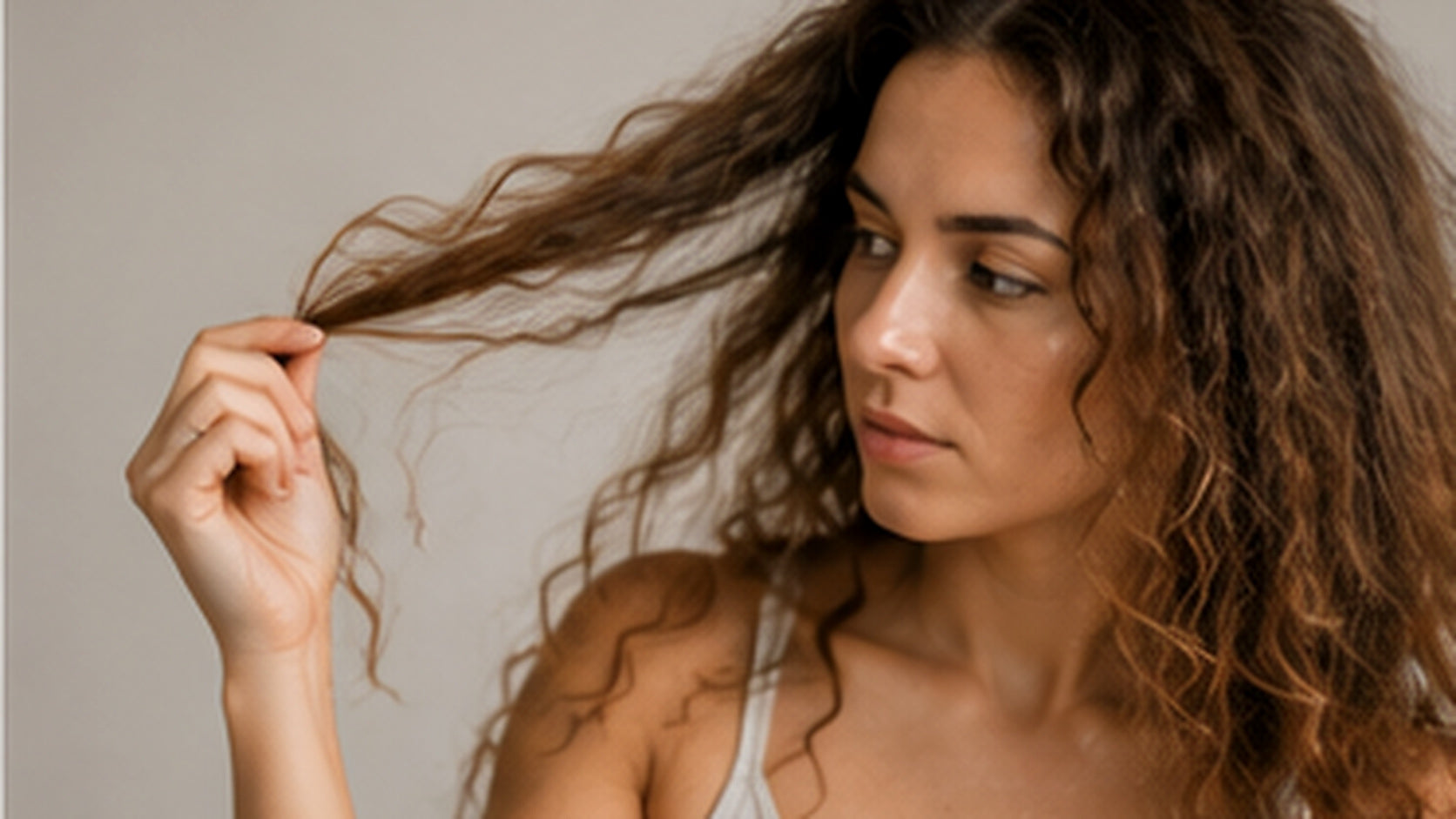
Dry hair can feel rough, dull, frizzy or difficult to manage. Explore expert Partners Hair guides on dry hair causes, salon routines, shampoos, conditioners, masks, oils, leave-ins and treatments — with advice for dry ends, colour-treated hair, heat damage, oily roots and damaged lengths.
- All
- anti-frizz
- balancing shampoo
- best shampoo for dry hair
- blonde hair
- bond builder
- brassy hair
- breakage
- colour care
- colour treated hair
- colour-safe shampoo
- colour-treated hair
- curl care
- curls
- curly hair
- damaged hair
- dry colour-treated hair
- dry damaged hair
- dry ends
- dry frizzy hair
- dry hair
- dry hair guides
- dry hair mask
- dry hair oil
- dry hair serum
- dry hair shampoo
- dry hair treatment
- dry scalp
- frizz causes
- frizz control
- frizzy hair
- hair care
- hair colour
- hair damage
- hair masks
- hair oil
- hair products
- hair repair
- hair serum
- hair treatments
- haircare advice
- haircare routine
- heat damage
- heat damaged hair
- heat protection
- humidity
- hydration
- kerastase
- leave-in conditioner
- leave-in treatment
- mens hair
- oily roots
- oily scalp dry ends
- overnight hair treatment
- partners men
- professional haircare
- purple shampoo
- redken
- salon haircare
- scalp care
- shampoo
- shine
- sulphate free
- toning
Dry Damaged Hair: How to Tell the Difference and What to Use
Dry hair and damaged hair can look similar, but they do not always need the same routine. Learn how to tell the difference and choose the right salon care for moisture, repair and breakage.
Read moreabout Dry Damaged Hair: How to Tell the Difference and What to Use
How to Care for Dry, Frizzy Hair
Dry, frizzy hair often needs the right balance of moisture, smoothing and protection. Learn how to build a professional routine for softer, shinier and more manageable hair.
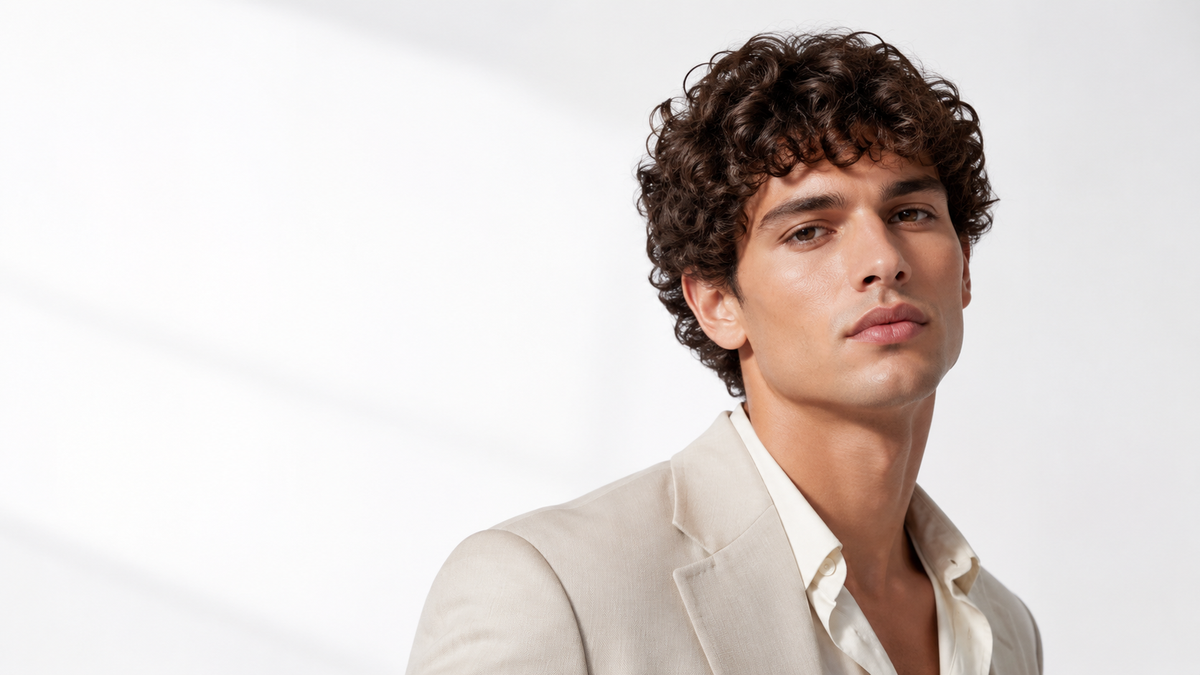
Frizzy Hair in Men: Simple Fixes That Actually Work
Frizzy hair in men, sorted. Why men's hair (and beards) frizz, and the simple, fast routine that fixes it — no complicated regimen required.
Read moreabout Frizzy Hair in Men: Simple Fixes That Actually Work
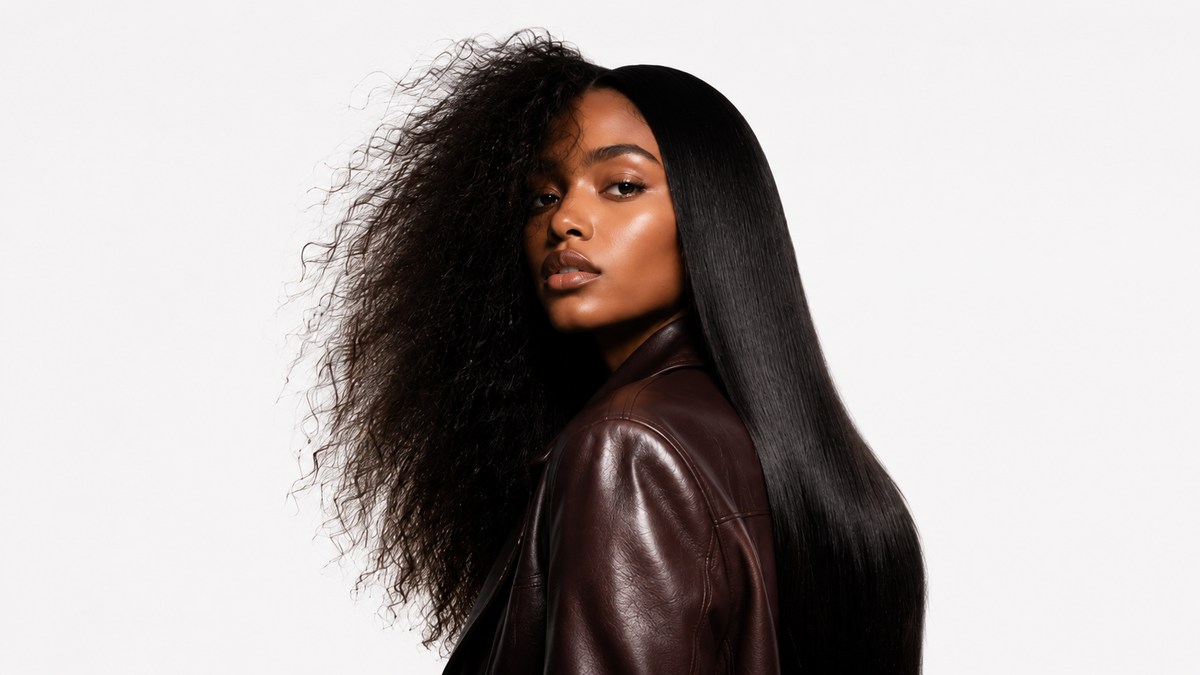
Best Products for Frizzy Hair in South Africa
The best products for frizzy hair in South Africa — the five-step product line-up our stylists recommend, matched to fine, thick, curly and colour-treated hair.
Read moreabout Best Products for Frizzy Hair in South Africa
Why Is My Hair So Frizzy? The Real Causes Explained
Why is your hair frizzy? The real causes explained — dryness, humidity, damage and natural hair type — plus how to tell which one is driving your frizz, and what to do about it.
Read moreabout Why Is My Hair So Frizzy? The Real Causes Explained
Anti-Frizz Serums & Oils: How to Use Them and Which to Choose
Anti-frizz serums and oils explained: what they do, the right way to apply them without greasiness, how much to use, and how to choose the best one for your hair type.
Read moreabout Anti-Frizz Serums & Oils: How to Use Them and Which to Choose
How to Get Rid of Frizzy Hair: A Step-by-Step Guide
The exact step-by-step routine our stylists use to take hair from frizzy to smooth — plus honest answers on fixing frizz fast, getting rid of it long-term, and what doesn't work.
Read moreabout How to Get Rid of Frizzy Hair: A Step-by-Step Guide
Frizzy Hair: The Complete Guide to Causes, Control & the Best Products in South Africa
Why is your hair frizzy, and how do you actually fix it? Cape Town's hair experts explain what causes frizz, the routine that controls it, and the best anti-frizz products and treatments in South Africa.
Dry Hair Guides: Expert Advice for Dry, Frizzy & Damaged Hair
Dry hair can feel rough, dull, frizzy or difficult to manage. Explore expert Partners Hair guides on dry hair causes, salon routines, shampoos, conditioners, masks, oils, leave-ins and treatments — with advice for dry ends, colour-treated hair, heat damage, oily roots and damaged lengths.
Expert dry hair advice from Partners Hair
Dry hair is not always the same problem for everyone. Some hair feels dry because it needs moisture, while other hair feels dry because it is damaged, colour-treated, over-processed, heat-styled or exposed to the sun. The right routine depends on what your hair is missing and how it behaves after washing, styling and conditioning.
This guide hub brings together our best dry hair advice in one place, so you can compare professional routines, learn which products suit different dry hair concerns and understand when to choose a shampoo, mask, oil, leave-in conditioner or salon treatment.
Dry hair shampoo and conditioner guides
A good dry hair routine usually starts with a gentle shampoo and a conditioner that softens the hair without weighing it down. Fine dry hair may need lightweight hydration, while thick or coarse dry hair often needs richer nourishment.
Read our shampoo and conditioner guides to compare the best options for dry, frizzy, colour-treated, brittle, fine, thick or heat-styled hair.
Dry hair masks, treatments and deep conditioners
When dry hair needs more than regular conditioner, a mask or treatment can give the hair a deeper conditioning step. These are especially useful for dry ends, rough lengths, frizz, dullness, colour-treated hair and hair that feels brittle after heat styling or lightening.
Our treatment guides explain when to use a mask, when to use a deep conditioner and when dry hair may need a more targeted repair routine.
Leave-in conditioners, oils and creams for dry hair
Leave-in products help dry hair feel softer and easier to manage between washes. Leave-in conditioners can add lightweight softness, creams can help smooth dry or coarse hair, and oils can add shine while helping the ends feel polished.
Explore our guides on dry hair oils, leave-in conditioners, creams and overnight treatments to build a routine that works beyond wash day.
Dry, damaged or frizzy hair?
Dry hair and damaged hair can look similar, but they are not always the same. Dry hair often needs moisture and nourishment, while damaged hair may also need strengthening, bond-building or repair-focused care. Frizz can appear with both dry and damaged hair, especially when the cuticle feels rough or porous.
Our expert guides help you understand the difference between dryness, damage, frizz, breakage and split ends, so you can choose the right professional haircare routine.
Dry ends with oily roots
Many people have oily roots but dry mid-lengths and ends. This can happen when the scalp becomes greasy quickly, while the older parts of the hair are more exposed to colour, heat, brushing, sun and styling. In this case, the best routine is usually a balancing shampoo at the roots with targeted conditioning on the lengths and ends.
Read our guides for dry ends, oily roots and scalp-related dryness to choose products that cleanse the scalp without drying out the hair.
Professional brands for dry hair
Partners Hair stocks professional salon brands with dry hair ranges for different needs, including Kérastase, Redken, Moroccanoil, Pureology, L’Oréal Professionnel, Kevin Murphy, Matrix, Joico, Milkshake and more. Each brand approaches dry hair differently, from hydration and softness to repair, shine, colour care and frizz control.
Our dry hair guides help you compare these professional brands by hair type, concern and routine step.
Frequently asked questions about dry hair
What causes dry hair?
Dry hair can be caused by overwashing, heat styling, colour services, bleaching, sun exposure, lack of conditioning, naturally coarse texture or using products that do not suit the hair type.
What helps dry hair?
Dry hair is usually helped by a gentler shampoo, a richer conditioner, weekly masks, leave-in conditioner, heat protection and a lightweight oil or serum on the ends.
Which shampoo is best for dry hair?
The best shampoo for dry hair depends on the hair type. Fine dry hair usually needs lightweight hydration, while thick, coarse or very dry hair may need a richer nourishing shampoo.
Is a hair mask good for dry hair?
Yes. A hair mask gives dry hair a deeper conditioning step than regular conditioner and can help improve softness, shine and manageability.
What is better for dry hair: oil, mask or leave-in conditioner?
Each product has a different role. A mask treats the hair during wash day, a leave-in conditioner helps with daily softness and manageability, and oil helps smooth the ends and add shine.
Why are my ends dry but my scalp oily?
This usually happens when the scalp produces oil quickly, but the mid-lengths and ends are older, drier or more porous. A balancing shampoo with targeted conditioning on the ends is usually best.


