



TL;DR:
- Leave-in conditioner is the most underused product in dry hair routines — it maintains moisture throughout the day, not just after washing
- It's not a replacement for a mask — they do different things, and dry hair needs both
- Fine dry hair: lightweight spray or milk. Thick or curly dry hair: cream or richer formula
- Apply to mid-lengths and ends, not oily roots
- It's a pre-styling step too — applied before heat protection, it reduces styling friction
Most dry hair clients we see are using a good shampoo, a conditioner, maybe even a mask. And then they walk out of the shower, their hair is damp and slightly rough, and they go straight to the hairdryer. The leave-in step — the one that maintains everything you just put in — gets skipped entirely.
That's usually why the dryness comes back by afternoon.
Not sure whether a spray, milk or cream is right for you? Ask a Partners expert what suits your hair — it's free, and it takes a couple of minutes.
Meet the experts:
Royston and Warren at Cavendish Square — Judy, head trainer — Lewis, owner — Jackie at Gardens Centre — Debbie and Nikí at V&A Waterfront — Danny and Charlene at Canal Walk — Lynette, Samantha and Dominique at Constantia Village
01 — What Leave-In Conditioner Actually Does
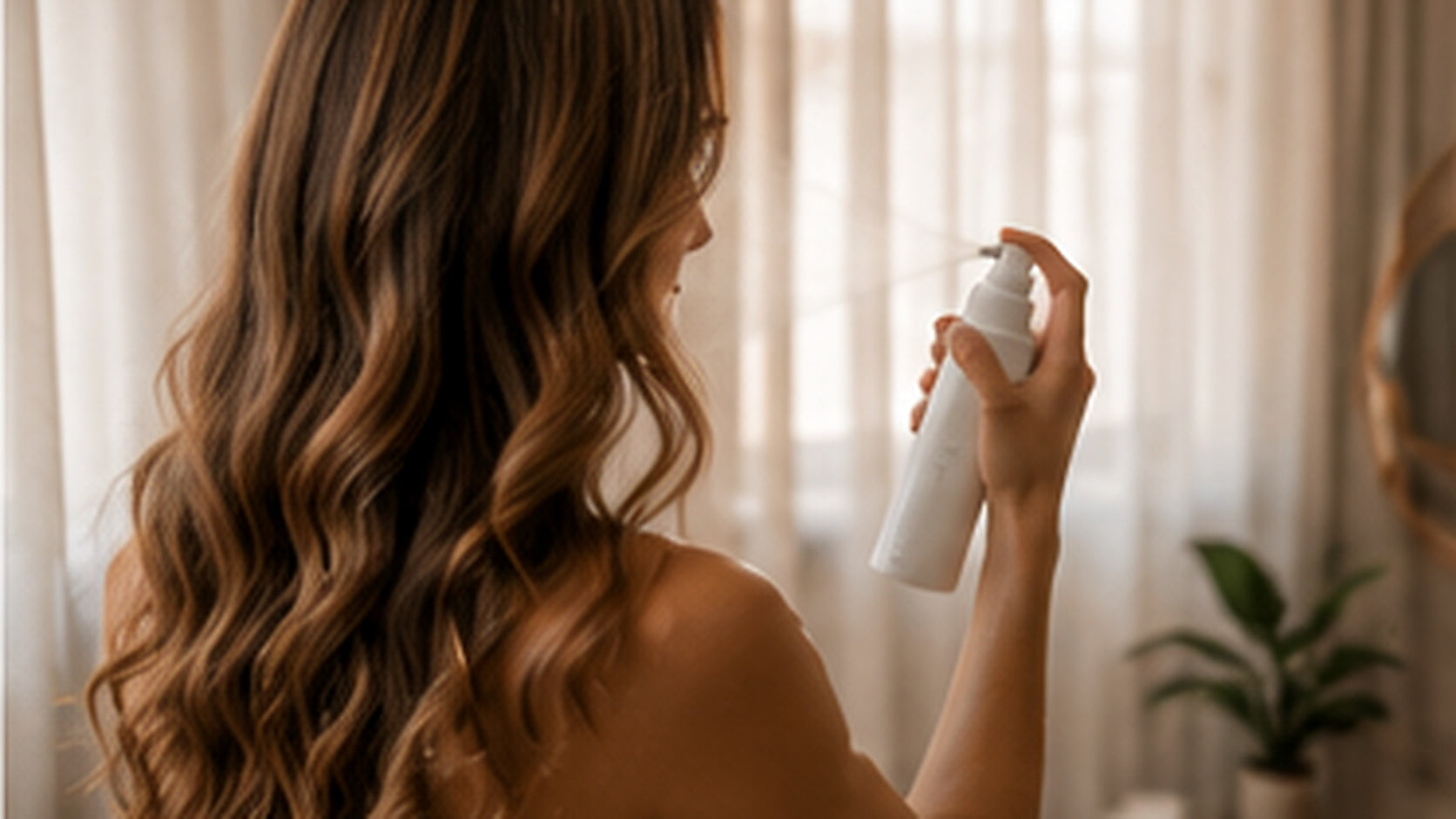
Leave-in conditioner stays on the hair after washing — which means it keeps working throughout the day. It softens the cuticle, helps with detangling and frizz control, and maintains the moisture from your mask between washes.
"Your mask does the deep work in the shower," says Judy, head trainer. "Your leave-in is what holds that work in place for the rest of the day. Without it, the cuticle dries out, frizz returns, and the hair feels rough again by evening. It's the bridge between wash day and the next wash."
02 — Fine vs Thick Dry Hair: Choose the Right Texture
The biggest leave-in mistake is using the wrong texture for your hair type. A rich cream leave-in on fine dry hair = flat, greasy roots by midday. A lightweight spray on very thick, coarse dry hair = no effect at all.
"Fine dry hair: lightweight spray or milk, applied through the ends only," says Warren at Cavendish. "Thick, coarse or curly dry hair: a richer cream or milk worked through the full mid-length. The texture makes all the difference. More product is not always better — the right product is better."
03 — Apply It Before Heat Protection — Not After
Most people don't realise leave-in conditioner is also a pre-styling step. Applied to damp hair before heat protection, it fills gaps in the cuticle and reduces friction during blow-drying. The result is smoother, shinier hair with less heat stress.
"The correct order is: wash, towel-dry, leave-in, heat protection, then style," says Charlene at Canal Walk. "The leave-in prepares the hair. The heat protectant protects it. Skipping the leave-in means the heat protectant is working harder than it should."
04 — Best Leave-In for Different Dry Hair Concerns
Dry colour-treated hair: Pureology Colour Fanatic (21-benefit spray, colour-safe) — Kérastase Chroma Absolu Lait Chroma Captive — L'Oréal Professionnel Vitamino Color leave-in care.
Dry frizzy hair: Redken Frizz Dismiss Leave-In Smoothing Oil — Kérastase Discipline Oleo-Curl — Moroccanoil All-In-One Leave-In.
Very dry, thick or coarse hair: Kérastase Nutritive 8H Magic Night Serum (doubles as overnight leave-in) — Redken All Soft Mega Curls Magnifier — Moroccanoil Curl Defining Cream.
Dry damaged hair: K18 Leave-In Molecular Repair Hair Mask (applied before conditioner, not after) — Redken Acidic Bonding Concentrate Leave-In.
05 — Leave-In Doesn't Replace a Mask
Leave-in and mask serve completely different purposes. A mask nourishes deeply during wash day. A leave-in maintains softness and protects the hair between washes. Dry hair needs both.
"Clients sometimes ask if they can just use a leave-in instead of masking," says Jackie at Gardens Centre. "They can't. A mask is a treatment. A leave-in is maintenance. They're not interchangeable. Use both."
06 — Can You Use Leave-In Every Day?
Thick, coarse, curly or very dry hair: yes, daily use is often beneficial. Fine dry hair: after washing or on dry ends only when needed — daily use may cause buildup. If hair starts feeling flat or coated, reduce the amount or frequency.
"A light reapplication on dry ends mid-week is fine for most dry hair types," says Samantha at Constantia. "Just work a tiny amount through the ends on dry hair. It refreshes the softness and reduces the dry, rough feeling that builds up between wash days."
Frequently Asked Questions
Is leave-in conditioner good for dry hair?
Yes — it's one of the most impactful steps you can add to a dry hair routine. It maintains moisture between washes, helps with detangling and frizz, and prepares hair for heat styling.
How often should I use leave-in conditioner?
After every wash for most dry hair types. Very dry, thick or curly hair can use it daily. Fine hair should use a lightweight formula after washing and a small amount on dry ends between washes.
Should I apply leave-in to wet or dry hair?
To damp towel-dried hair after washing is the most effective application. You can also apply a small amount to dry ends between washes to refresh softness.
Can leave-in conditioner make hair greasy?
Yes, if you use too much or apply it near the roots. Focus on mid-lengths and ends. Start with a small amount and build if needed.
Is leave-in conditioner enough for very dry hair?
No — very dry hair needs a full routine: sulphate-free shampoo, conditioner every wash, weekly mask, leave-in, and heat protection before styling.
Shop professional leave-in conditioners for dry hair at Partners Hair, or find your nearest salon for personalised advice. Free delivery on orders over R390.
Share:
Hair Masks for Dry Hair: A Salon Guide to Softer Hair
Hair Oil for Dry Hair: How to Use It Without Weighing Hair Down