




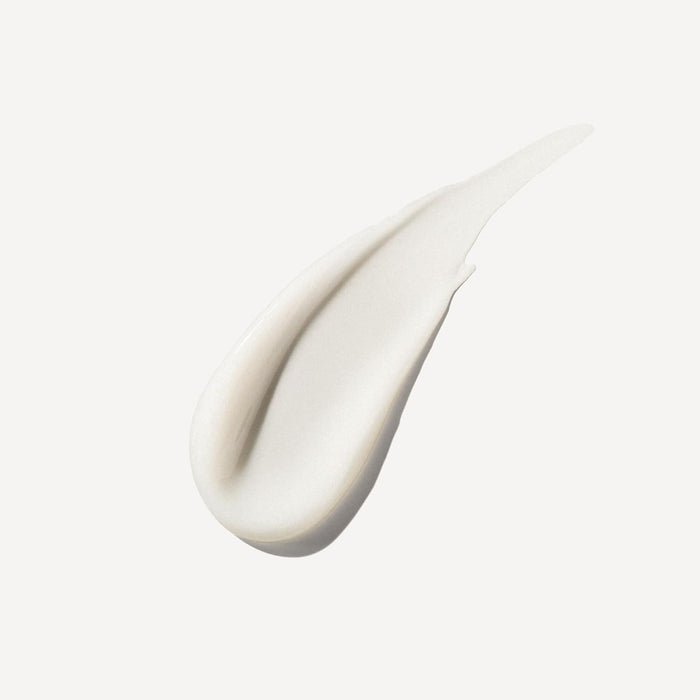
Damaged hair
Repair, strengthen and restore
The Stylist’s Handbook
Here for your best hair.
Professional hair guidance from our expert stylists, backed by real salon experience and the best brands in the world.
Ask An Expert · Since 1984
Most hair advice online is written by people who have never stood behind a chair. Ours isn’t. Every answer on this page comes from the floor of a working salon group — 24 salons, 250+ professional stylists and colourists, and a SETA-accredited training academy — that has been styling South African hair since 1984.
Whether you’re rescuing over-bleached hair, fighting Cape Town frizz, or just trying to make your colour last, you’ll get the same guidance our team gives clients in person every day — matched to your hair, your climate, and what’s actually available here in South Africa.
Start with your hair
Find answers and solutions for your hair.
Behind the chair
A named team you can actually book — not anonymous bylines.

Founder & Creative Director
Trained at Vidal Sassoon and Toni & Guy London. Two-time South African Hairstylist of the Year and a Sanlam Entrepreneur of the Year finalist. Founded Partners Hair in 1984.
Head of Training
Leads the SETA-accredited Partners Hair Design Training Academy, where our stylists qualify across NQF Levels 2, 3 and 4.
Senior Stylists — Cavendish Square
Cutting, styling and colour specialists with a following built over years on the Cavendish floor.
Senior Stylists — V&A Waterfront
Colour correction, blonding and bespoke finishing for the Waterfront clientele.
Senior Stylist — Gardens Centre
Trusted for precision cuts and everyday wearable colour in the heart of the city.
Senior Stylists — Canal Walk
Curl, texture and transformation specialists across our largest unisex salon.
Featured answer
Bleach removes pigment and weakens the hair’s internal bonds, leaving it dry, porous and prone to breakage. Here’s how to fix it.


Your hair questions, answered
Expert advice from the Partners Hair team.
Bleaching lifts the cuticle and strips the internal bonds that keep hair strong and smooth, leaving it porous, dry and rough — that ‘straw’ feel. The damage is real, but it’s manageable. Start with a bond treatment such as Olaplex No.3 or K18 to rebuild the broken bonds, then lock in moisture with a rich mask like Kérastase Résistance once or twice a week. Wash in lukewarm rather than hot water, always use a heat protectant, and ask your colourist for a bond-builder at every appointment. With consistent care, most over-processed hair feels dramatically better within three to four weeks.
Once a hair splits it can’t be repaired, only removed, so the goal is prevention plus maintenance. A dusting or trim every eight to ten weeks stops splits travelling up the strand and snapping. Between cuts, protect the lengths with a bond builder or repair treatment (Redken Extreme Anti-Snap and Kevin Murphy Repair.Me are stylist favourites), detangle from the ends upward with a wide-tooth comb, and keep heat tools at or below 180°C. A silk or satin pillowcase cuts the overnight friction that causes breakage.
Usually it’s brushing wet hair, starting at the roots, or forcing through knots — wet hair is at its most fragile. Detangle gently from the ends up with a wide-tooth comb or wet brush, and always apply a leave-in or detangling spray first. If your hair is chemically treated or weak, a bond-repair treatment such as K18 or Olaplex rebuilds strength so strands flex instead of snapping. If breakage is widespread, ask your stylist to check for over-processing or a protein/moisture imbalance.
Brass is warmth that surfaces as colour fades, and purple toning products neutralise it — purple sits opposite yellow on the colour wheel. Use a purple shampoo such as Milk Shake Icy Blond or Redken Blondage once or twice a week, leaving it on two to five minutes depending on how much you want to cool the tone. Don’t overuse it or blonde can go dull and violet. Keep heat styling at or below 180°C, and book a toner or gloss with your colourist every few weeks for a salon-level result.
Colour fades fastest with hot water, sulphates and UV. Switch to a sulphate-free, colour-safe range — Pureology Hydrate is built for exactly this — wash less often, and use cool water with a gentle massage rather than scrubbing. Always apply a heat protectant and add a weekly colour-protecting mask to seal the cuticle. In the Cape’s strong sun, a leave-in with UV protection genuinely extends the life of your colour and can add weeks between appointments.
Frizz is hair reaching for moisture in humid air, so the fix is sealing moisture in before you leave the house. On damp hair, apply a smoothing serum or anti-frizz oil from mid-length to ends, then blow-dry with the nozzle pointing down to smooth the cuticle. A smoothing range (Moroccanoil and Kérastase Discipline are reliable in our climate) creates a barrier against the air. A silk pillowcase and not over-washing also help. For stubborn frizz, ask us about an in-salon smoothing treatment.
Curls hold best when product goes onto soaking-wet hair and is then left undisturbed. After conditioning, apply a curl cream or gel to dripping-wet curls using the ‘praying hands’ method, scrunch upward, and either air-dry or diffuse on low heat. The golden rule: don’t touch curls while they dry — that’s what breaks the clump and causes frizz. Refresh second-day curls with a little water and leave-in rather than re-wetting fully. Matching products to your curl pattern makes the biggest difference, so ask a stylist if you’re unsure.
They look similar but aren’t the same. A dry scalp flakes because it lacks moisture — flakes are small and white and the skin feels tight. Dandruff is usually oilier, with larger yellowish flakes, and is linked to a yeast called Malassezia. A dry scalp responds to gentle, hydrating, sulphate-free washing plus a scalp oil or serum. Dandruff needs an active such as zinc pyrithione or salicylic acid. If flaking is persistent, itchy or inflamed, see a professional rather than guessing.
Heat damage is permanent — once the bonds and cuticle are cooked, that section won’t fully recover, and badly damaged ends are best trimmed. What you can do is improve the feel and prevent more: use a bond-building treatment, deep-condition regularly, and keep tools at or below 180°C (lower for fine or fragile hair). Always use a heat protectant, never straighten soaking-wet hair, and build in heat-free days. Going forward, prevention is the only real cure.
Nine times out of ten the hair is still growing — the ends are just breaking off as fast as the roots grow, so length stalls. The fix is retention: regular dustings to remove split ends before they travel, bond and protein care to stop breakage, gentle detangling, less heat, and protecting hair overnight on silk. A healthy scalp matters too, so a weekly scalp massage and an occasional clarifying wash both help. If you’re shedding noticeably more than usual, that’s worth raising with a professional.
Quick, no-nonsense answers
Filmed on the salon floor over 40 years of styling Cape Town.
Local expertise
International beauty sites weren’t written for our water, our weather, or our hair. We were. Our team works every day with the full spectrum of South African hair — from fine and straight to curly, coily and kinky (3A–4C), relaxed and transitioning — and with the local realities that change how hair behaves.
That means honest advice on hard water and mineral build-up, surviving Cape Town humidity and the South-Easter, heat-styling sensibly around load-shedding, protective styling, and the local and halaal-friendly brands we stock alongside the global names — Hannon, Biosense, Afari and more.
Stylist recommended
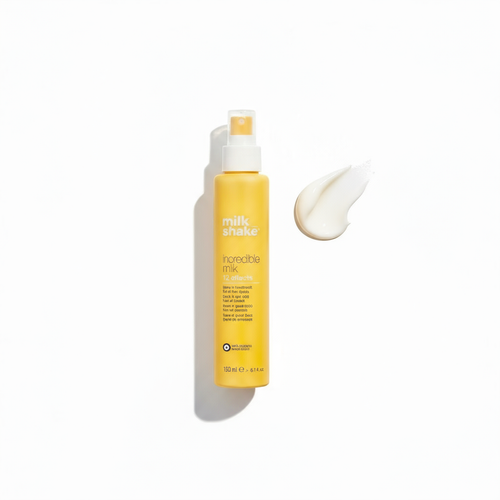
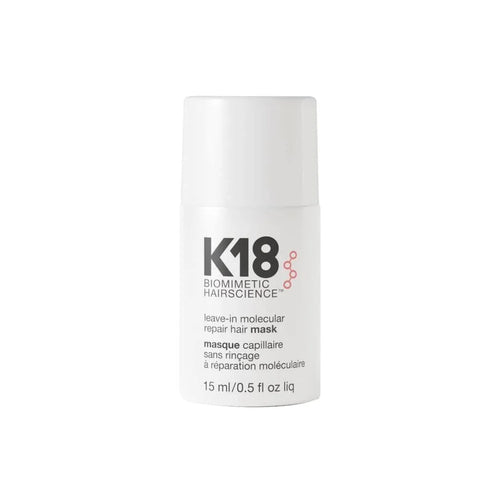
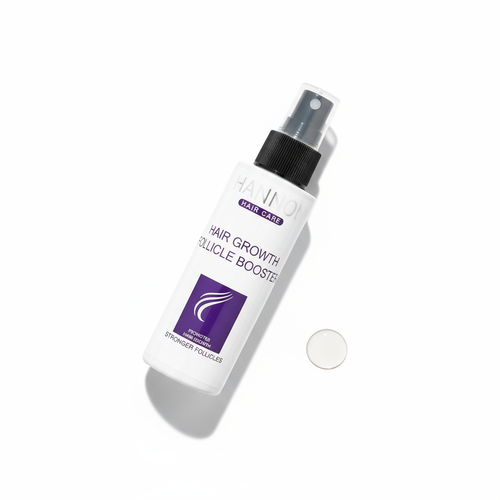
Bond builders, masks and treatments our stylists reach for.
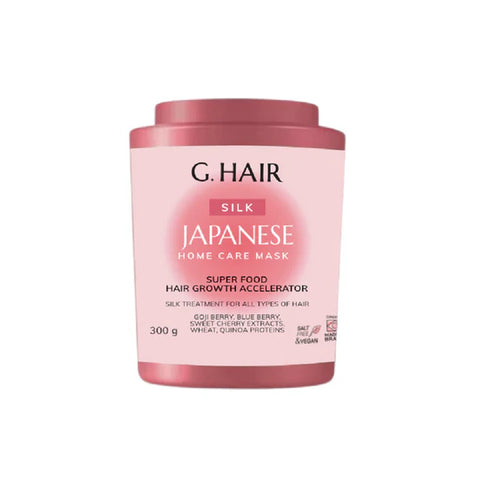
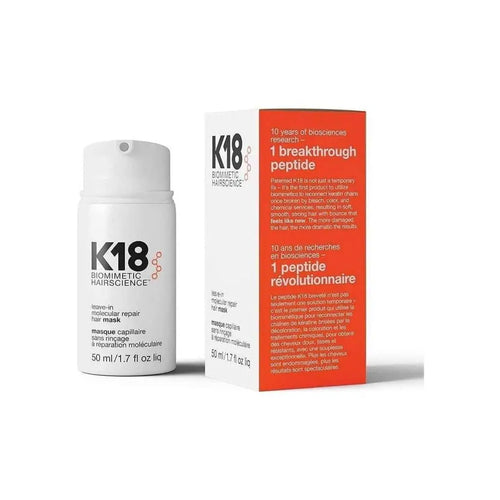
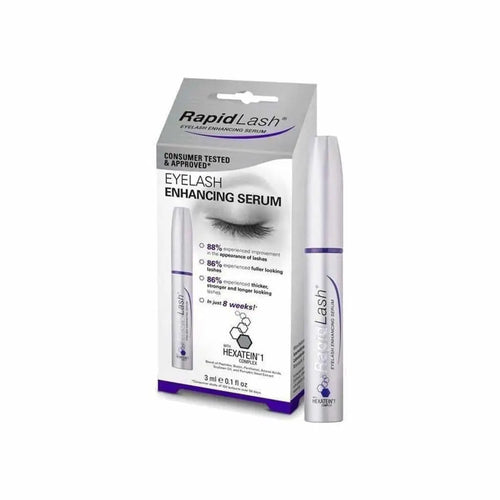
Answer four quick questions about your hair type, goals and concerns. We’ll match you to a salon-grade routine and the right collection to shop.
Take the free hair quiz →Still not sure?
Didn’t find your question above? Tell us a little about your hair and what you’re trying to achieve, and one of our stylists will get back to you.
Keep reading
Pop into any of our 24 salons across the Cape and chat to a stylist face to face.
Seven quick questions. One personalised routine, matched by the same logic our stylists use in the chair.
Choose the pattern your hair forms when it air-dries without styling.
Think about one individual hair, rather than how much hair you have overall.
Use how it feels one to two days after washing as your guide.
Choose the one result that would make the biggest difference right now.
This helps us balance repair, colour protection and moisture correctly.
Include blow-dryers, straighteners, curling irons and hot brushes.
We will build the number of steps around the effort you actually want to maintain.


