



TL;DR:
- Hair follicles need constant nutrients to produce hair — no topical product fully compensates for nutritional deficiencies
- Protein and iron are the two most critical nutrients. If either is insufficient, hair growth slows or stops
- Biotin only helps if you're actually deficient — which is relatively rare
- Get blood tests before supplementing — targeted supplementation works far better than guessing
- Nutritional improvements take 3 to 6 months to show in hair quality and density
Hair follicles are among the most metabolically active cells in the body. They need a constant supply of nutrients to produce hair — and when that supply is inadequate, hair growth slows, shedding increases, and the hair that does grow is thinner and weaker. No topical product can fully compensate for this.
Meet the experts:
Royston and Warren at Cavendish Square — Judy, head trainer — Lewis, owner — Jackie at Gardens Centre — Debbie and Nikí at V&A Waterfront — Danny and Charlene at Canal Walk — Lynette, Samantha and Dominique at Constantia Village
01 — Protein: The Building Block Hair Is Made From
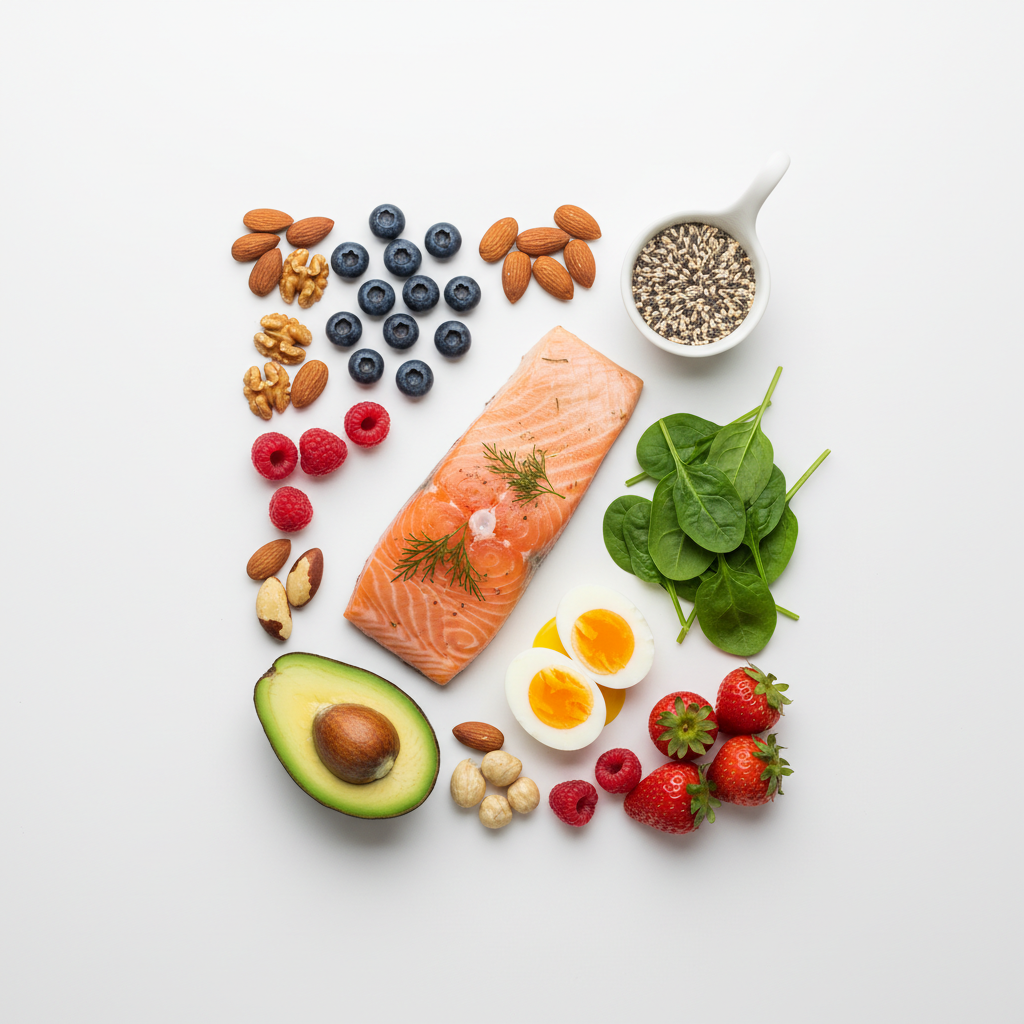
Hair is made of keratin — a protein. Without adequate dietary protein, your body doesn't have the building blocks to produce hair. Most adults need 0.8 to 1.2g of protein per kilogram of body weight daily. Best sources: eggs, chicken, fish, lean red meat, lentils, chickpeas, tofu, Greek yoghurt. Eggs are particularly valuable as they contain both protein and biotin.
"The clients I see with the most consistent improvement in hair health are almost always eating enough protein," says Lewis. "No supplement replaces adequate protein intake. It's the structural material hair is literally built from."
02 — Iron and Ferritin
Iron deficiency is one of the most common nutritional causes of hair loss in women. Ferritin (stored iron) is the relevant measure — aim for 70 to 80 micrograms per litre, significantly higher than the standard lab normal range. Best haem iron sources: red meat, chicken, fish, shellfish. Best non-haem sources: lentils, spinach, tofu, pumpkin seeds. Pair plant-based iron with vitamin C to improve absorption. Avoid tea, coffee, and calcium at the same meal as iron-rich foods.
03 — Zinc and Vitamin D
Zinc supports follicle repair and scalp oil gland function. Both deficiency and excess can cause hair loss — supplement only if confirmed deficient. Best sources: oysters, red meat, pumpkin seeds, lentils, cashews. Vitamin D receptors are found in hair follicles and deficiency is linked to hair loss, including telogen effluvium. Best sources: sunlight (15 to 20 minutes daily), fatty fish, egg yolks. Supplementation is often necessary if levels are low.
04 — The Honest Truth About Biotin
Biotin is the most heavily marketed nutrient for hair growth. The honest reality: biotin deficiency is relatively rare, and supplementing when you're not deficient is unlikely to make a meaningful difference. If you are deficient, correcting it can significantly improve hair health. Best sources: eggs (especially the yolk), salmon, sunflower seeds, sweet potato, almonds.
"Clients come in with bags of biotin supplements expecting a transformation," says Jackie at Gardens Centre. "The first question is always whether they've had a blood test to confirm deficiency. Most haven't. A blood test costs less than two months of supplements and tells you exactly what you need."
05 — Omega-3 Fatty Acids
Omega-3s reduce scalp inflammation, support oil glands that keep the scalp moisturised, and are associated with improved hair density and reduced shedding. Best sources: fatty fish (salmon, sardines, mackerel), flaxseeds, chia seeds, walnuts. Fish oil supplements are reliable if dietary intake is low.
06 — Test Before You Supplement
Hair supplements work best when addressing a confirmed deficiency. Get a blood test first — ferritin, vitamin D, zinc, full blood count, and thyroid function. Then supplement specifically for what's actually low.
"The combination that works is a confirmed deficiency, a targeted supplement, a consistent scalp routine, and patience," says Samantha at Constantia. "That approach outperforms any generic hair supplement. Nutrition is the foundation — then the products build on it."
Frequently Asked Questions
What foods are best for hair growth?
Eggs, fatty fish, red meat, lentils, spinach, pumpkin seeds, and citrus fruits cover most key nutrients: protein, iron, zinc, omega-3s, biotin, and vitamin C.
Can diet alone stop hair loss?
If hair loss is caused by nutritional deficiency, correcting it can significantly reduce shedding and support regrowth. If the cause is hormonal or genetic, diet supports but doesn't replace targeted treatment.
Do biotin supplements help hair growth?
Only if you're deficient. For most people with adequate biotin levels, supplementing won't make a meaningful difference. Get a blood test first.
How long does it take for dietary changes to affect hair growth?
Nutritional improvements typically take 3 to 6 months to show as visible changes in hair quality and density. Hair grows approximately 1cm per month.
What nutrients should I test for hair loss?
Ferritin, full blood count, thyroid function, vitamin D, and zinc — the most commonly linked nutritional factors to hair loss and the most useful to check before changing your routine.
Book a scalp consultation at your nearest Partners Hair salon, or shop our professional hair loss range online. Free delivery on orders over R390.
Share:
Heat Damage vs Hair Loss: How to Tell the Difference
Alopecia Areata: What It Is and What Actually Helps